

Go on any social media platform and you can already see it happening… naturally fit people pissed off that fatties can inject themselves with a snake venom analog (e.g. Ozempic) and transform from morbid obesity to looking like a normal calorie human.
Weight loss coaches and trainers now embellish potential adverse effects (e.g. “muscle loss”) to stoke fear in masses to preserve as much of their coaching/training biz and social clout as possible… “you don’t need that… I can coach you… track macros… body recomp… you might get cancer… cue the future: ‘If you or someone you know used Ozempic commercials… consult the law offices of’…”
I’ve also seen woke “paper-pusher-IQ” liberal educators lash out in fury because a subset of wealthy, high IQs are homeschooling their kids so that the kids can learn rapidly with standalone AI or software like Mentava.
Why are they mad? We know why. They are envious that innately gifted kids can blast-and-cruise past everyone (PhD at age 10 vs. learning to tie shoelaces).
They shouldn’t be mad! They should be thankful to the ether that someone is smarter and can move at a faster pace… it all benefits humanity to have people move through bullshit hoops quicker… not be held back.
But that’s not how human psychology functions… we are animals. Seeing someone else better than you can be perceived as a survival threat. Amygdala supercharged. Limbic system engaged.
Also very common in athletics… can get cutthroat with parents. They all think their kid is the next LeBron, Djokovic, Messi, etc. Wealthy parents enroll their kid in every class, training session, coaching, etc. only to get trounced by some genetically gifted random who practices on their own after school. Can stoke a lot of envy.

A subset of men get angry that women use makeup to enhance facial attractiveness (Hey that’s cheating!)… and subset of women talk shit about guys growing beards (Hey that’s like makeup for men!). This expands to surgery: breast implants, BBLs, lip-fillers for women vs. hair transplants, testosterone/steroids, height surgery for men.
And now we see many cognitively proficient and high IQ’s feeling the heat from AI.
The upper tail of engineers in 2025 is still leveraging AI heavily to differentiate themselves… almost like speciation between them and the midrangers + lowlings… who are suffering second-and-third-degree psychogenic burns.
The mid-level engineers feel like it’s a race against the next model release… any new model could potentially render them obsolete and send them packing.
Accumulate… accumulate… invest… invest… YOLO swing for the fence… hope for the best. The low-level engineers may need to shift gears to an entirely different profession.
Brilliant people in all walks of life are no longer asked for “help” with challenging questions… whether they be about life, education, etc.
Why? Because people can now ask an AI. And the AIs give good answers.
Doctors, accountants, lawyers… all feel like they will be left in the dust… and most don’t want an AI to take their jobs (jobs = massive part of human identity).
And even the elite tail sees the writing on the wall.
When there are fleets of 300 IQ → 400 IQ → 500 IQ → 1000 IQ AGI/ASI robots deployed across the world, the current “elites” become less valuable… and in the end… they are also cooked. Eventually AI agents + robots = higher IQ than all humans combined (assuming no merger or massive biological upgrades).
Status commodification produces status deflation (the badge cheapens) and triggers status threat/status anxiety (the backlash).
The biggest conflicts of the next decade might be a status war.
This isn’t a replacement for culture war — both are happening, sometimes overlapping, sometimes running on separate tracks. Underneath many culture war battles, you’ll find status anxieties driving the real energy.
The abortion debate is partly about status (who controls women’s bodies, who gets to define virtue).
Immigration debates are partly about status (labor competition, cultural dominance).
But the new status wars are different: they’re about the technologies that make innate advantages purchasable.
Status hierarchies are built on scarcity. Rare traits. Rare roles. Rare outputs.
For most of human history, the advantages that mattered were largely innate—you were born smart or you weren’t, born attractive or you weren’t, born into the right family or you weren’t.
The people at the top don’t “grind” their way to high IQ or bone structure.
They hit the genetic lottery.
Now? Technology is handing out cheat codes that simulate or replicate what used to be “God-given.”
The people whose innate advantages are suddenly purchasable, injectable, or downloadable are watching their birthright dissolve — and they’re losing their minds.
I. Social Status Is Hardwired: The Neurobiology of Social Rank
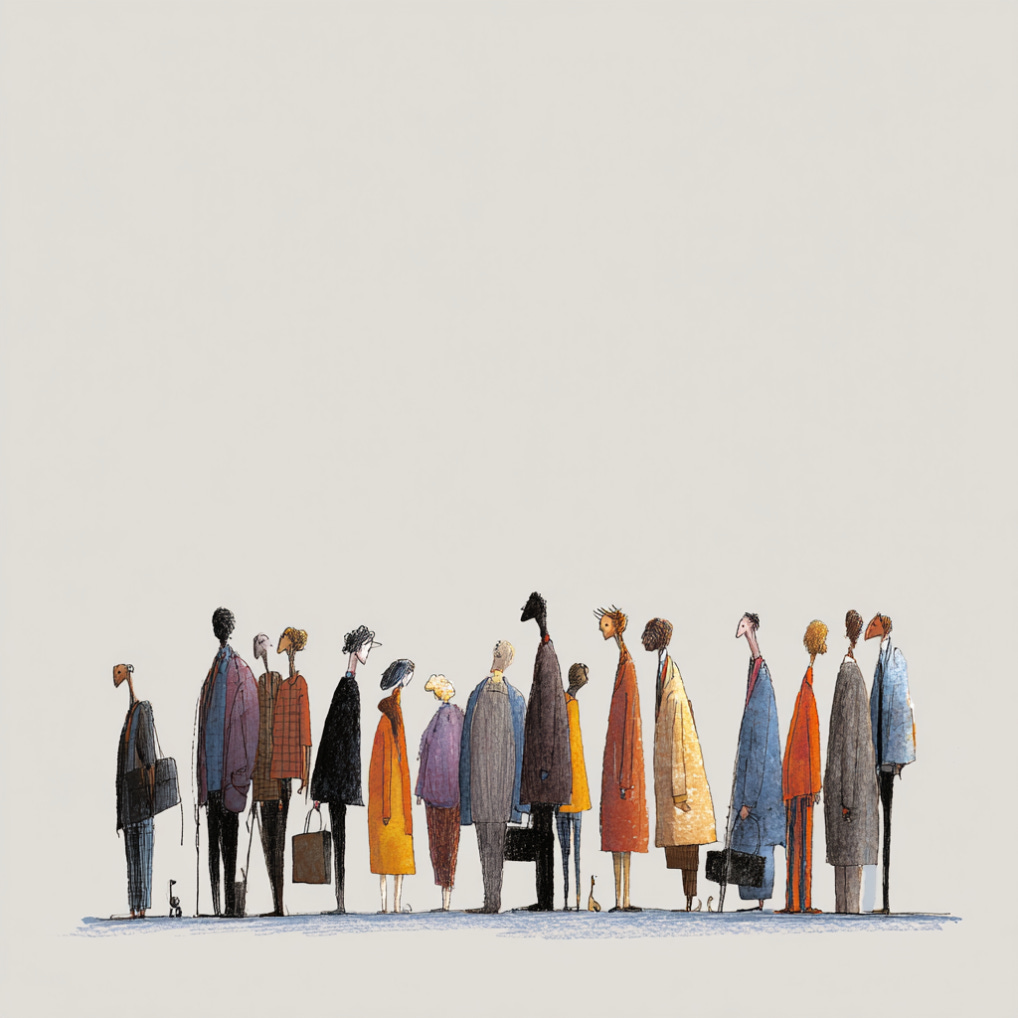
This isn’t just psychology. It’s biology.
Social status is represented in broad brain regions including the amygdala, hippocampus, striatum, and various cortical networks such as the prefrontal and parietal cortices. (R)
The neurotransmitter systems—dopamine and serotonin specifically—both modulate and are modulated by the formation of social hierarchy.
In nonhuman primates, dopamine D2 receptor expression in the striatum is associated with higher social status. (R)
Pharmacological studies show that administration of a D2 antagonist decreases the social rank of dominant animals—meaning status isn’t just correlated with neurochemistry; it’s caused by it.
A 2024 study published in Nature Human Behaviour provided direct evidence from human brains that rapid changes in dopamine and serotonin reflect context and value signals during social interaction. (R)
Researchers measured sub-second neurotransmitter fluctuations in patients undergoing brain surgery and found dopamine levels were overall higher when participants interacted with human players versus computers—in other words, when fairness and social hierarchy came into play.
Here’s the key finding: we view unfair offers as displays of dominance and reject them to avoid the imposition of inferior status. (R)
Humans Can Detect High-Status Individuals (And It Triggers Threat Responses)
Research shows humans are surprisingly good at identifying high-status individuals from appearance alone, and this detection triggers measurable physiological responses.
People who feel that their peers have high threat potential with respect to status tend to engage in behaviors to undermine those peers and maximize their own status. (R)
Critically: people become more physiologically vigilant and aware of others’ emotions when interacting with peers of visibly higher status. (R)
The dual-hormone hypothesis explains part of this: testosterone and cortisol jointly regulate status-seeking behavior. (R)
High testosterone combined with low cortisol predicts dominance-seeking behavior against high-status opponents.
But when cortisol is elevated—when stress is present—high-testosterone individuals shift to competing against lower-status opponents instead. Status threat literally changes hormonal profiles and behavioral strategies.
High basal cortisol is associated with stress, anxiety, threat vigilance, and social avoidance. (R) When you encounter someone who triggers status threat, your body responds with measurable physiological changes—increased heart rate, cortisol spikes, threat-processing activation.
Attractive people are perceived to “possess almost all types of social advantages that can be measured.” (R) This perception translates directly into behavior: individuals have different styles of interaction for those they perceive as physically attractive versus unattractive.
Status loss isn’t an abstract concept. It’s a neurochemical event. When your position in the hierarchy drops:
Chronic stress causes downregulation of dopamine D2 receptors (R)
Serotonin signaling modulates how you learn and process social hierarchies (R)
The brain circuits that regulate social behavior involve oxytocin, vasopressin, and dopamine signaling in regions like the anterior cingulate cortex (R)
Status collapse isn’t hurt feelings. It’s neurological damage.
This is why people fight so hard to preserve hierarchies that benefit them. This is why moral language gets deployed against technologies that flatten advantages. The brain treats status loss the same way it treats physical threat.
II. The Status Disruption Engine

Status Is Relative, Not Absolute
You don’t just want to be good. You want to be above others.
This isn’t cynicism—it’s evolutionary fact. Human beings are hierarchical primates. We don’t evaluate ourselves in isolation; we evaluate ourselves relative to our peer group. A six-figure salary feels great until you find out your neighbor makes seven. A PhD feels prestigious until AI starts outperforming you in your own domain.
Most identity is built around a small set of “rank tokens”:
Intelligence — cognitive ability, expertise, “being the smart one”
Attractiveness — facial symmetry, body composition, height
Money — income, wealth, visible consumption
Competence — job performance, skills, reliability
Influence — social reach, who listens to you, whose opinions matter
These aren’t just nice-to-haves. They’re the currency of social life—who gets respect, who gets jobs, who gets mates, who gets listened to.
What Makes an Advantage “Status-Bearing”
For something to confer status, it needs three properties:
Visibility or inferability — Others can see it or deduce it
Difficulty of acquisition — It requires genetics, effort, training, or time
Social reward — It translates to jobs, dating success, respect, or attention
The kid who reads early gets tracked into gifted programs. The person with the right bone structure gets better treatment everywhere. The expert who accumulated decades of knowledge gets consulted, cited, paid.
These advantages worked because they were hard to fake. The smart person couldn’t be simulated. The attractive person couldn’t be purchased. The expert couldn’t be downloaded.
Until now.
The Universal Disruption Sequence
Every major status disruption follows the same pattern:
Scarce advantage becomes a status ladder — Being thin, being smart, being skilled becomes a reliable way to climb
Tech removes scarcity (or simulates the signal) — A pill, an algorithm, a surgery can now produce the same outcome
Old winners feel displaced — They become “less needed,” “less special”
Backlash emerges — Moral panic, gatekeeping, “authenticity” rituals
New equilibrium forms — Two-tier world splits into mass commodity tier vs. premium “human/natural/legacy” tier
We’re watching this sequence play out simultaneously across multiple domains. And it’s accelerating.
III. AI: The Most Salient Status Disruptor

The Cognitive Elite Are Becoming Less Needed
AI isn’t just a job threat. It’s an identity threat.
The Federal Reserve Bank of St. Louis published research in August 2025 showing a striking correlation: occupations with higher AI exposure are experiencing larger unemployment increases. (R)
Computer and mathematical occupations (among the most AI-exposed with scores around 80%) saw some of the steepest unemployment rises, while blue-collar and personal service roles with limited AI applicability experienced smaller increases.
This is the opposite of previous automation waves. Blue-collar workers experienced wage decreases ranging from 50% to 70% since 1980 due to early automation. (R)
Now AI-driven job disruption focuses on educated, white-collar workers earning up to $80,000 annually—people who thought they were safe.
The World Economic Forum’s Future of Jobs Report 2025 found that 40% of employers expect to reduce their workforce where AI can automate tasks. (R)
AI could replace more than 50% of the tasks performed by market research analysts and 67% of sales representative tasks.
In 2025 alone, nearly 55,000 job cuts in the United States were directly attributed to AI. (R) Total layoffs reached 1.17 million—the highest since the 2020 pandemic.
But statistics miss the real story: people are becoming less needed by others.
For decades, certain people built their identity around being indispensable:
The “smart friend” you’d call when you needed something figured out
The expert who took years to master their domain
The person who could win any argument because they’d read more
The advisor whose knowledge was rare and valuable
The mid-level coder whose services are now redundant—elite developers can create agentic flows that accomplish everything without needing a team
Now anyone can access comparable cognitive capability for $20/month. The value proposition of “being the smart one” is collapsing.
The Lee Sedol Effect: When Your Identity Gets Defeated
If you haven’t already seen it… I highly recommend taking a few minutes to watch the award-winning Alpha-Go — The Movie.
In March 2016, Google DeepMind’s AlphaGo defeated 18-time world champion Lee Sedol at Go—a game where intuition was believed to be essential, where mastery supposedly took a lifetime. Lee predicted he would win 5-0 or 4-1. (R)
He lost 4-1.
After the match, Lee said:
“With the debut of AI in Go games, I’ve realized that I’m not at the top even if I become the number one through frantic efforts. Even if I become the number one, there is an entity that cannot be defeated.” (R)
He retired in November 2019 at age 36, submitting his letter of resignation to South Korea’s Go Association. (R)
The documentary captured something remarkable: Even the DeepMind team felt uncomfortable.
A team member said:
“I couldn’t celebrate. It was fantastic that we had won. But there was such a big part of me that saw this man trying so hard and being so disappointed…” (R)
Demis Hassabis, DeepMind’s CEO, confessed feeling “ambivalent.” The win didn’t feel like a triumph for humanity. It felt like something was being lost.
This is the template for what’s happening now across every cognitive domain.
My reaction: Lee is the Go GOAT (GoAT). Alpha Go-Zero is cool. An AI beat a human at a complex game. Wow. It’s like Usain Bolt losing a sprint to an F1 car. It was expected. Nobody would feel bad for Bolt losing to a car.
The Real Motivation Behind “AI Safety” Concerns?
In March 2023, the Future of Life Institute published an open letter calling for a six-month pause on AI development, signed by over 30,000 people including Elon Musk, Steve Wozniak, and Yoshua Bengio. (R)
The letter cited risks like AI-generated propaganda, extreme automation of jobs, human obsolescence, and loss of control. (R)
My hypothesis:
Many who push to pause or restrict AI have genuine safety concerns… but many also (though they wouldn’t admit it) simply don’t want to lose their cognitive elitism.
Just like Lee Sedol watching his lifetime of mastery become obsolete.
Just like Garry Kasparov’s “angry pouting and hints that IBM had cheated” after losing to Deep Blue. (R)
Max Tegmark, the letter’s author, admitted the goal was to “mainstream the conversation, to move the Overton window so that people felt safe expressing these concerns.” (R)
There was “a huge amount of pent up anxiety but people were afraid of articulating that out of fear of being branded Luddite scaremongers.”
Critics accused the Musk-backed FLI of prioritizing imagined apocalyptic scenarios over immediate concerns. (R) But maybe the critics miss the point.
The apocalyptic framing is itself cope: It’s easier to say “AI might kill everyone” than to admit “AI is making me feel less special.”
What AI Actually Changes
The “brain monopoly” doesn’t break, but people become less needed by others:
You don’t need the smart friend when ChatGPT is smarter
You don’t need the expert when AI has access to all published knowledge
You don’t need the debate champion when AI supplies counterarguments instantly
You don’t need the mentor when AI tutoring is available 24/7
You don’t need expensive credentials when AI can demonstrate competence directly
Nobody can gatekeep rare knowledge anymore. You can learn online, at home, instead of hunting down the one expert in the world. The playing field is leveled—and the people who benefited from the unlevel field are furious.
IV. GLP-1s and the Collapse of Body-Status Scarcity

For most of human history, body composition tracked something real—either genetics or sustained discipline (discipline is a byproduct of your genetics). Being lean when food was abundant suggested self-control. Being fit meant you had your act together.
Then came Ozempic, Wegovy, Mounjaro, and Zepbound.
About 1 in 8 adults in the United States has now used a GLP-1 drug at some point in their life—approximately 15 million people currently using prescriptions. (R)
The numbers are staggering:
Prescriptions for GLP-1 drugs to treat overweight or obesity rose 587% from 2019 to 2024 (R)
Adults prescribed GLP-1s without type 2 diabetes jumped nearly 1,961% in the same period
Semaglutide prescriptions increased 10-fold among diabetic patients between 2018 and 2023 (R)
Among GLP-1 users, only 5% were prescribed semaglutide in 2018; by 2023, that number rose to 63%
In 2024, more than one in four adults with diagnosed diabetes (26.5%) used GLP-1 injectables—an estimated 6.9 million adults (R)
The Status Backlash from the Already-Thin
The status implications are obvious: the thin/fit person watching others “cheat” their way to the same body feels robbed of their innate or earned advantage.
We’ve already seen this backlash manifest. Those who are naturally thin or maintained their fitness through discipline have been the loudest voices warning about GLP-1 dangers—embellishing side effects, emphasizing rare complications, framing usage as “taking the easy way out.”
This isn’t purely health concern. It’s status defense. When you’ve built part of your identity around being lean in a world of obesity, the last thing you want is everyone else catching up via injection.
You might get cancer. Is a common talking point.
The moral high ground of discipline becomes contested. “Earned vs bought” physique becomes a new social battleground.
Outcome: “Fitness virtue” gets diluted; a new status boundary forms.
Even in 2025 we could theoretically already try gene therapy for weight loss… we are just too risk averse and being held back by gatekeepers.
Hence: bioethicists are unethical.
Watch for:
“Natural” fitness identity markers—hashtags like #NoOzempic
Competitions divided into “natural” and “assisted” categories
Premiums placed on visible markers of “real” athleticism
The “functional fitness” crowd redefining what counts to maintain their advantage
V. Looksmaxxing, Cosmetic Surgery, and Purchasable Attractiveness

Physical attractiveness was supposed to be the ultimate genetic lottery. You either won or you didn’t.
Not anymore.
In 2024, nearly 38 million aesthetic procedures were performed globally—over 17 million surgical and approximately 20 million non-surgical treatments. (R) This represents a 42.5% increase over the past four years.
The Mainstream Procedures
Eyelid surgery is now the most common surgical procedure globally with over 2.1 million procedures and a 13.4% increase (R)
Rhinoplasty reached approximately 1 million procedures globally, market projected to $5.39 billion by 2033 (R)
Liposuction remains among the top procedures with over 2.2 million cases (R)
South Korea leads globally with 8.90 procedures per 1,000 residents—an estimated one-third of women aged 19-29 have undergone cosmetic procedures (R)
Hair Transplants: The $8 Billion Market
The global hair transplant market reached $7.33-8.2 billion in 2024 and is projected to grow at 20%+ CAGR, reaching $38-49 billion by 2032-2034. (R)
Global hair transplant procedures expected to rise from 2.6 million in 2019 to 4.7 million by 2025 (R)
66% of men experience hair loss by age 35; 85% have significant thinning by age 50 (R)
Males comprise 87.3% of hair transplant recipients (R)
Social platforms have normalized cosmetic procedures, prompting adults in their late 20s to view transplantation as preventive rather than corrective care (R)
The Extreme Procedures
It goes far beyond mainstream cosmetic surgery. The “looksmaxxing” community has embraced increasingly extreme modifications:
Height surgery (limb lengthening):
Costs range from $75,000-120,000+ per leg in the U.S., $28,000-55,000 in Turkey (R)
Patients can gain 5-8 cm (2-3 inches) per bone segment (R)
Recovery takes 9-12+ months before returning to high-impact activities
Dr. Kevin Debiparshad at the LimbplastX Institute has performed hundreds of procedures, with such growing demand he’s expanding to a 14,000 square foot facility (R)
Patients cite height as “an extremely important thing when it comes to just life in general” (R)
Medical tourism clinics report patients demanding growth of more than 6-8cm despite elevated complication risks (R)
Penile augmentation:
Growing dissatisfaction among males regarding their penis size is driving the popularity of penile augmentation procedures (R)
The global penile implants market was valued at $545.8 million in 2024, projected to reach $817 million by 2030 at 7.1% CAGR (R)
Nearly half of patients cite enhancing self-esteem as their primary motive (R)
Techniques include soft tissue fillers, grafting, biodegradable scaffolds, and FDA-cleared Penuma implants
Female genital cosmetic surgery:
Labiaplasty requests rose 217.2% from 2012 to 2017 (R)
In 2024, labiaplasty saw a 12% year-over-year increase (R)
From 2015 to 2021, U.S. procedures rose from 8,745 to 18,813 (R)
The global vaginal rejuvenation market: $3.6-4 billion in 2024, projected to reach $13-14 billion by 2030-2034 (R)
The Demographics Are Shifting
Facelift patients are trending younger—patients aged 35-55 rising from 26% to 32% in recent years (R)
67% of facial plastic surgeons agree the average facelift age will continue trending younger
92% of AAFPRS surgeons report male patients in their practice
Most breast augmentations (54%), rhinoplasties (60.1%), and external genital surgeries (48.4%) are performed on 18-34-year-olds
The “looksmaxxing” phenomenon reflects a broader truth: facial bone structure, once purely genetic, is now surgically modifiable. And increasingly, so is everything else—height, hairline, body proportions, even genitalia.
The GLP-1 connection is significant: “While these drugs are highly effective at achieving rapid weight loss, they often result in issues like volume loss and sagging skin”—driving demand for facial plastic surgery to address the aftermath. (R)
The most common reason for cosmetic surgery is to increase self-confidence (69.5%), followed by feeling happier/improving quality of life (67.2%). (R)
Translation: People are purchasing status signals that used to be distributed only by genetic lottery.
VI. Healthcare Disruption: AI Doctors, Radiology, and the Coming Professional Backlash

The same pattern is hitting healthcare gatekeepers—and the threatened professionals are starting to mobilize.
The Telehealth Explosion
The global telemedicine market was valued at $104.64 billion in 2024 and is projected to reach $334.80 billion by 2032—a CAGR of 16.93%. (R)
In the United States:
80% of consumers have used telemedicine at least once (R)
61% of patients prefer telemedicine for prescription management and 51% for minor illness care
In 2024, there were over 116 million users of online doctor consultations worldwide, up from 57 million in 2019 (R)
The U.S. telehealth market reached $42.54 billion in 2024 with a projected CAGR of 23.8% through 2030 (R)
AI Matching or Exceeding Physician Performance
The data on AI diagnostic accuracy is becoming impossible to ignore:
Dermatology: A meta-analysis found AI algorithms achieved 87.0% sensitivity and 77.1% specificity for skin cancer, versus 79.78% sensitivity and 73.6% specificity for all clinicians—differences were statistically significant in AI’s favor. (R)
AI-assisted diagnosis: When health care practitioners used AI assistance, medical students, nurse practitioners, and primary care doctors improved on average 13 points in sensitivity and 11 points in specificity. Even dermatologists improved with AI assistance. (R)
Radiology: A Swedish trial involving mammograms for 80,000+ women found AI-assisted screening identified 20% more breast cancers while reducing radiologist workload almost in half. (R)
General diagnosis: A 2024 study showed OpenAI’s latest models perform well at complex critical thinking tasks like generating diagnoses and managing health conditions. One study found that when AI worked independently to diagnose patients, it achieved 92% accuracy, while physicians using AI assistance were only 76% accurate—barely better than the 74% they achieved without AI. (R)
The Inevitable Conclusion: Fully Automated Telehealth
The trajectory is clear: someone could create a fully AI doctor/program to do all telehealth care.
Basic medical gatekeeping—the prescription pad, the diagnosis, the referral—can increasingly be automated.
For routine cases, AI diagnosis + prescription generation + monitoring could handle the vast majority of encounters at dramatically lower cost, with equal or better outcomes.
The barriers aren’t technical. They’re regulatory and professional.
Watch for the backlash: Medical associations lobbying for restrictions on AI diagnosis.
Licensing requirements that mandate human physician involvement even when unnecessary.
“Safety” concerns that conveniently protect incumbent professionals.
Framing AI medicine as “soulless” or “dangerous” by the very people whose status depends on maintaining the gatekeeping function.
Companies like VSee Health have launched programs targeting obesity by incorporating GLP-1 prescription medications into telehealth services. (R) The prescription function—once the exclusive domain of physicians—is being unbundled.
The trajectory: Basic medical gatekeeping becomes increasingly automated and accessible. Premium “concierge medicine” emerges for those who want human physicians, while the masses get AI-assisted telehealth that’s cheaper and often more accurate.
VII. Education as a Status Warzone
Why Education Triggers Extreme Jealousy
Kids are status multipliers. Parents experience child rank as proof of parent value. When your child succeeds, you succeeded. When your child falls behind, you failed.
Top outcomes are scarce and zero-sum:
Elite school admissions
Gifted program placements
Scholarships and awards
Standardized test scores
Acceleration is highly visible. Reading levels, math advancement, standardized test scores—these get noticed, compared, and discussed.
The parent whose child is ahead gets social validation. The parent whose child is behind experiences genuine distress.
The Acceleration Stack Problem
Some families are pulling ahead via:
Homeschooling combined with tutoring stacks
AI models functioning as personalized tutors: Available 24/7, infinitely patient, calibrated to exact skill level. (Some experts are building their own models to train their own kids!)
Specialized acceleration systems like Mentava-style early literacy programs
Embryo selection companies providing polygenic scoring for traits including cognitive ability
Herasight, an IVF startup that emerged from stealth in 2025, has already screened hundreds of embryos and offers an interactive widget allowing users to select traits including intelligence. Their CogPGT predictor claims to detect an average 8.5 IQ point difference between just three embryos. (R)
For a couple who produce 10 embryos, Herasight claims it can detect an IQ spread of about 15 points from lowest to highest. (R)
Other companies in the space include Genomic Prediction (offering PES commercially since 2019 as LifeView), Orchid Health, MyOme, etc. (R)
Many parents are extremely envious. Parents whose kids aren’t in the gifted track, whose children aren’t reading by age 4, whose teenagers aren’t acing tests—they watch other families pull ahead and seethe.
The Uncomfortable Truth
Here’s what nobody talks about openly: some parents want market controls to suppress high-IQ kids.
They won’t phrase it that way. They’ll talk about “equity” and “fairness” and “not leaving anyone behind.” But the underlying psychology is naked jealousy dressed in moral language.
Their kid can’t compete in an open market of cognitive ability, so they want the market rigged:
Acceleration programs defunded
Gifted tracks eliminated
Standardized tests removed
AI tutoring restricted
Embryo selection banned
Anything that makes the gap between their child and exceptional children less visible and less consequential.
Who Feels Threatened
Teachers feel threatened:
Loss of expertise monopoly—why do students need a teacher when AI tutoring provides better instruction?
Increased classroom variance becomes unmanageable
Role reduces to behavior management and proctoring
Schools and systems feel threatened:
Credibility crisis when homework and grades become less diagnostic
Institutional relevance questioned
Parents feel threatened:
Fear of falling behind drives anxiety purchases
Resentment toward “optimized” families grows
System Reactions (Predictable)
Proctoring and oral defense requirements
Restrictions on AI and devices in schools
Formal or informal tracking and stratification
Premium “human-only” or “classical” educational lanes as status products
Elimination of gifted programs and standardized testing—framed as “equity” but functioning as visibility suppression
Credential inflation—more degrees required for the same jobs
VIII. Robotics and Autonomy as Embodied Status Collapse
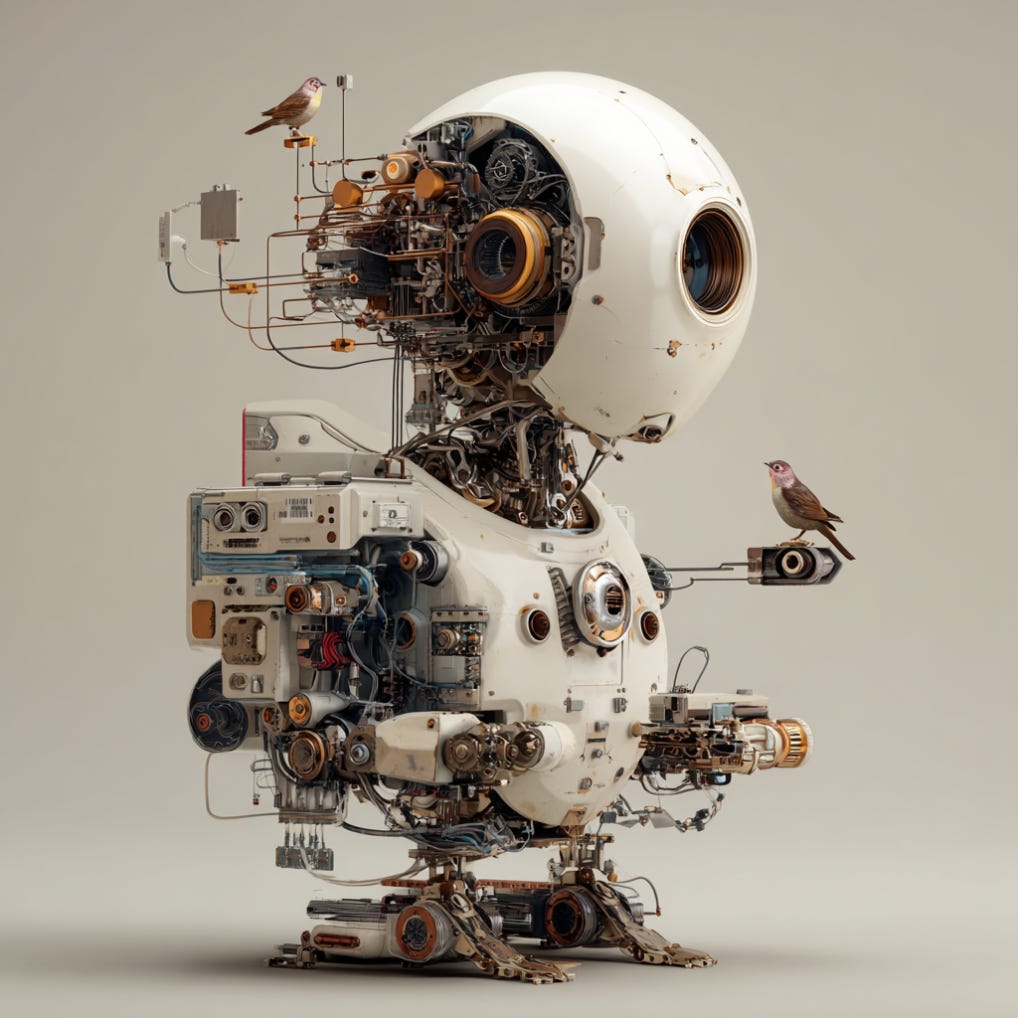
AI disrupts cognitive work. Robotics disrupts physical presence. When AI writes your email, you’re still there. When a robot does your job, you’re not there.
This is qualitatively different.
Autonomous Vehicles: The Visible Signal
Robotaxis send a visceral message: “humans aren’t required.”
Waymo is now operating around 2,500 robotaxis across five U.S. cities, completing approximately 450,000 paid rides per week as of late 2025. (R)
The scale is unprecedented:
14 million trips in 2025 alone—more than triple the rides delivered in 2024 (R)
Over 100 million fully autonomous miles logged, doubling from 50 million at the end of 2024 in just six months (R)
Service expanded from 3 markets at end of 2024 to 9+ cities including Austin, Atlanta, and planned international expansion to London and Tokyo (R)
Humanoid Robots: The Next Wave
Tesla’s Optimus humanoid robot program is targeting production of thousands of units in 2025 for internal factory use, with plans to scale to 50,000 units by 2026. (R)
Key projections:
Musk projects production costs below $20,000 per unit at scale
Goldman Sachs estimates 13 million humanoid robots could be deployed by 2035 (R)
Unitree unveiled a $6,000 humanoid robot (R1) in July 2025, dramatically compressing price expectations (R)
Outsourced competence becomes purchasable:
Chores, organization, cleaning, basic caregiving
Factory and warehouse repetitive work
Eventually: more complex physical tasks
Status effect: “Adult competence” and household order stop being signals of discipline and ability. When robots can maintain a clean house and organized life for anyone who can afford them, what does maintaining these things manually say about you?
IX. Embryo Selection: The Ultimate Status Disruptor
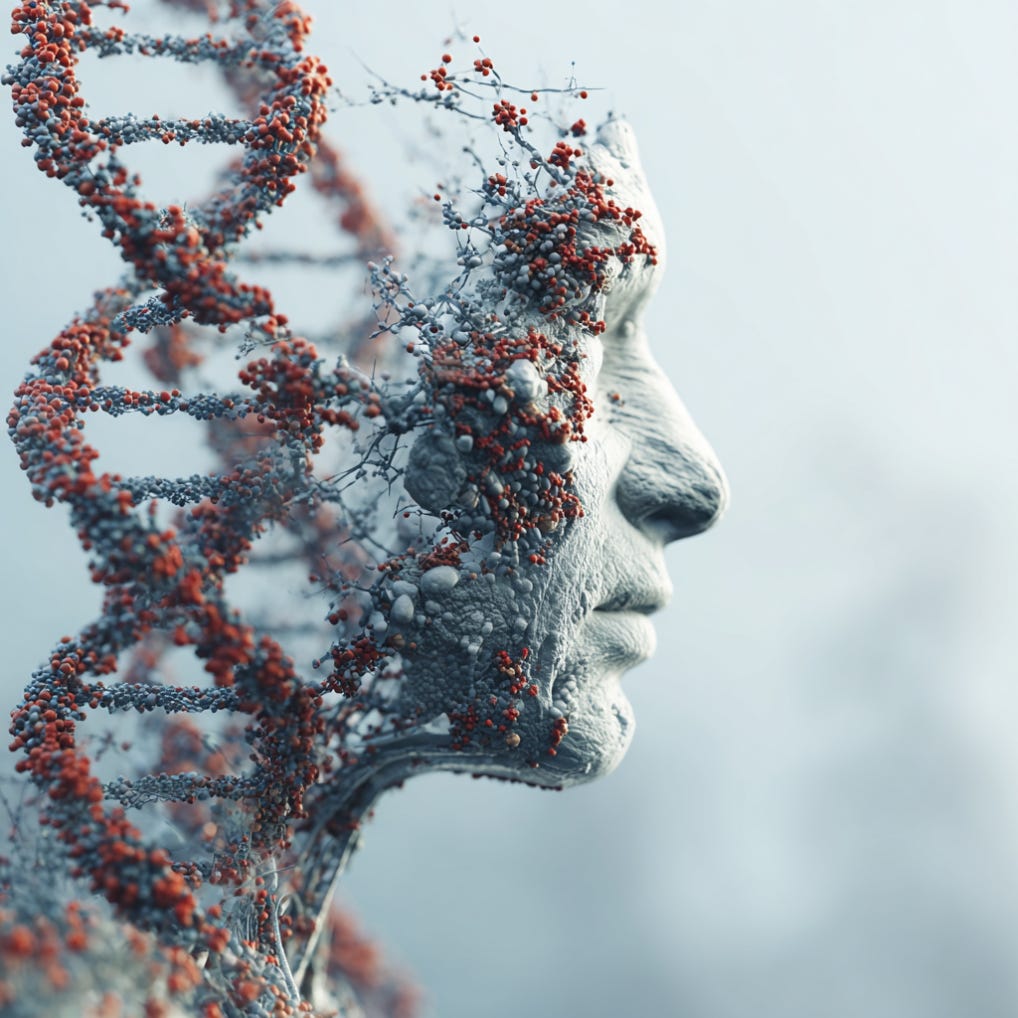
This is the ultimate disruptor because it moves advantage to the starting line.
Polygenic embryo screening is already commercially available:
Genomic Prediction has been offering PES commercially since 2019 under the name LifeView (R)
Orchid Health and MyOme provide similar services
Herasight claims its scores can reduce disease risks by 20% to 44% when selecting among five embryos (R)
Current claims:
6-9+ extra IQ points from selection across typical embryo cohorts (Herasight estimates) (R)
Average gain of approximately 2.5 cm for height
Scores improve rapidly as GWAS sample sizes increase
The social dynamic is the point: natural couples will become envious of “optimized” kids. Status conflict becomes generational—legacy kids vs. engineered cohorts.
The backlash will be intense:
“Eugenics” accusations
“Unfair” framing
“Two-tier humanity” concerns
But the service exists. It’s legal in the United States. Parents are using it. And the parents who aren’t using it will watch their unoptimized children compete against selected children in increasingly high-stakes environments.
Outcome: A generational status war begins at conception.
X. Bio-Upgrade Status Wars: Offshore Enhancement

Offshore medicine is becoming the next elite advantage arena: youth, cognition, muscle, recovery.
The social dynamic matters even if current offerings are modest: the mere existence of a plausible offshore upgrade ecosystem triggers jealousy and gatekeeping.
Myostatin-Pathway Upgrades
Myostatin inhibition and related pathways are becoming the “Ozempic for muscle.” Pharmacological shortcuts to physiques that previously required years of dedicated training.
Status war: earned physiques vs. engineered physiques. The natural bodybuilding community already runs on purity-testing and “natty or not” speculation. This goes mainstream.
Anti-Aging Interventions
Rejuvenation becomes a class and status wedge:
Who can access experimental treatments
Who will take risks on unproven interventions
Who can hide the fact that they’re using them
The appearance of youthfulness—currently a decent proxy for actual health—becomes gameable by those with money and connections.
Custom Enhancement Pharmacology
Tailored zero-tolerance pharmacology as a performance moat. Personalized drug regimens optimized for individual biochemistry that never stop working.
Predictable cultural framing war: “optimizer” vs. “cheater” vs. “junkie.”
The line between “biohacking” and “drug abuse” becomes entirely dependent on social context and class markers.
XI. The Backlash Playbook: How Elites Defend Rank
When status is threatened, the response follows predictable scripts.
Moralization Scripts
The language of moral condemnation gets deployed against any technology that democratizes elite advantages.
Script translation:
“Cheating”: Using technology instead of innate traits is illegitimate

“Unnatural”: Enhancement violates some natural order I benefited from

“Soulless”: AI-generated/assisted outcomes lack the authenticity mine have

“Unfair”: Others shouldn’t access what I had by birthright

“Not real”: Results achieved through technology don’t count

“Unsafe”: The risks are too high (conveniently requiring restriction)
Gatekeeping Scripts
When moralization fails to stop adoption, institutional barriers emerge:
Credential reinforcement — Additional degrees, certifications, qualifications required
Regulation — New rules specifically targeting democratizing technology
Verification rituals — “Prove you didn’t use AI,” “Prove you’re natural,” “Prove your kid is unmodified”
Licensing restrictions — Limit who can provide the equalizing technology
The Failed Narrative Pivot
Here’s the uncomfortable truth about what comes next: the traditional “meta-status” escape routes probably won’t work.
The old playbook says that when outcomes become equalized, status shifts to origin stories—”I’m naturally smart,” “I’m naturally attractive,” “I did it the hard way.”
But this narrative pivot faces fatal problems:
Intelligence becomes unverifiable. When embryo selection becomes widespread, there’s no way to prove someone is “naturally” smart versus selected. Genetic testing won’t reveal whether selection occurred—only what genes exist. The origin story becomes unauditable.
Attractiveness stops mattering as much. When everyone can afford cosmetic procedures, hairline restoration, body composition drugs, and surgical modifications, the status value of attractiveness erodes. Nobody will be able to prove their face is “original.” Nobody will care enough to ask.
“Natural” fitness becomes meaningless. Gene edits for body fat metabolism are on the horizon. Combined with GLP-1s and myostatin inhibitors, the concept of “earned through discipline” physique becomes increasingly fictional.
“Successful kids” fails as status. When AI and robotics handle most cognitive and physical labor, what does it mean for your child to “succeed”? Success at what? The traditional markers—prestigious job, high income, professional achievement—become either automated or devalued.
“Human-made” work may not survive. The premium on human artisanship assumes people will pay more for human-created goods. But if AI outputs are genuinely superior, the “human-made” premium may exist only for a narrow band of luxury consumers, not as a broad status category.
The reality: We may be entering a period where none of the traditional status markers survive in their current form. The fighting over them will be fierce—transiently. But the end state may be a world where the old hierarchies simply stop functioning, with nothing clear to replace them.
XII. The New Social Order: Two-Tier Everything (For Now)
Commodity Tier
AI assistance, standardized automation, mass access, cheap outputs.
This tier will be good—probably better than most human-provided services today:
AI-generated content that’s competent
Autonomous vehicles that are safe
GLP-1 weight loss that works
Education that’s personalized
Telehealth that’s convenient and accurate
But it will be common. And status requires scarcity.
Premium Tier (Temporary?)
“Human-only” experiences become luxury:
Human teachers — Not because they teach better, but because they’re expensive and exclusive
Human artists — Authenticated, verified, hand-made
Human service workers — “Your waiter tonight will be a real person”
“Natural” bodies — Verified drug-free, genetic-lottery physiques
“Natural” kids — Unselected, unoptimized, “authentic”
Human doctors — Concierge medicine vs. AI-assisted telehealth
But how long does this last? If AI tutors produce better outcomes than human teachers, will the premium persist? If AI doctors are more accurate than human physicians, will “human doctor” remain a status symbol or become a liability signal?
The Likely End-State
Unclear. The status hierarchies we’ve known for millennia are facing simultaneous pressure from multiple directions. Some possibilities:
New stratification based on access, risk tolerance, secrecy, and institutional privilege
Status collapse into pure consumption/wealth metrics
Emergence of entirely new status categories we haven’t imagined
Fragmentation into subcultures with incommensurable status systems
XIII. Historic Precedents: Same Movie, Different Century

Every status-disrupting technology produces the same response pattern.
Printing Press
Knowledge gatekeepers lost their monopoly.
Scribes, priests, and scholars who’d spent decades mastering texts suddenly faced competition from anyone who could read.
Response: censorship, heresy trials, institutional panic, attempts to restrict printing.
Industrial Revolution
Craft scarcity collapsed.
The artisan who’d spent years mastering a trade competed with machines producing more, faster, cheaper.
Response: Luddite machine-breaking, riots, violence against technology itself.
Automation of “Operator” Roles
Elevator operators. Switchboard operators. Gas station attendants. Bank tellers.
“Human presence required” turned out to be false.
Response: Role re-bundling, human premium emergence for genuine value-add.
Contraception
Biological destiny became controllable. Women could time fertility, separate sex from reproduction, plan careers.
Response: Massive social reorder, decades of culture war over something now uncontroversial.
Steroids/PEDs in Sport
Physical performance became chemically compressible. Natural athletes competed against enhanced ones. Natural athletes are likely still competing against enhanced ones… but doping strategies remain sophisticated and undetected.
Response: Endless policing, testing regimes, “natural vs. enhanced” divisions, permanent suspicion.
The pattern is consistent: Every time technology makes a previously rare advantage accessible, the people who held that advantage fight back with moralization, gatekeeping, and authenticity requirements.
XIV. “How Far Does It Go?”
If a job is mostly execution + routine judgment + presence, it’s on the menu.
Categories that survive longer than others (before obsolete):
Roles where humans are the product: Parasocial bonds, trust relationships, celebrity
Messy liability environments: Contexts requiring human scapegoats for legal responsibility
Chaotic physical improvisation: Unpredictable real-world situations current robotics can’t handle
But even there, the system tends to split into:
Automation baseline: The standard offering
Premium human tier: For those who can pay more
Closing: What’s Really Being Fought Over
These aren’t just technology debates. They’re not really about “AI safety” or “drug side effects” or “genetic ethics.”
They’re battles over:
Who deserves respect
Who gets opportunity
Who gets to call their advantage “earned” or “natural”
Who controls the rules of the scoreboard
The people fighting hardest against democratizing technologies are rarely the people who claim to care about equality. They’re the people whose status depends on scarcity—and who see that scarcity evaporating.
The teacher union fighting AI tutoring isn’t worried about children. They’re worried about teachers.
The fitness influencer attacking Ozempic isn’t worried about health. They’re worried about their brand.
The academic demanding AI-free submissions isn’t worried about learning. They’re worried about their gatekeeping role.
The parent pushing for bans on AI learning software isn’t worried about equity. They’re worried their kid can’t compete.
The AI researcher calling for a “pause” might genuinely worry about safety—or might just not want to lose their cognitive elitism, like Lee Sedol watching everything he’d mastered become obsolete.
The doctor lobbying against AI diagnosis isn’t worried about patient safety. They’re worried about professional obsolescence.
The moralization is cope. The gatekeeping is self-interest dressed in principle. The authenticity rituals are desperate attempts to maintain value in a world where the old scarcities no longer hold.
Status collapse is coming. The question isn’t whether—it’s how violently the old winners fight to stop it, and what (if anything) emerges to replace the hierarchies that are dying.
In the short-to-medium term, some will retain an advantage as a result of: good genetics, money to buy upgrades, taking a risk on gene therapies, etc.
But eventually all of these enhancements will diffuse through the human population to make everyone better off (should they decide to opt in… nobody is forcing anyone to opt in… the Amish may not want to opt in).
So expect the edge to linger a while longer… but as costs come down for gene therapies, embryo selection, BCI tech improves, AI improves, etc. — life just keeps getting better for all. Life was never equal and it would likely be boring AF if it were “equal”… who wants to be identical? Scarcity is probably more fun.
Related: Scarcity as a Service: Post ASI Humans Return to Pre-ASI Lives?
The technologies are already here. The status wars have already begun. The only uncertainty is what world emerges on the other side.